Art Exhibitions
Francesco Bruni
Francesco Bruni, Florence, 1972. He lives and works in Florence.
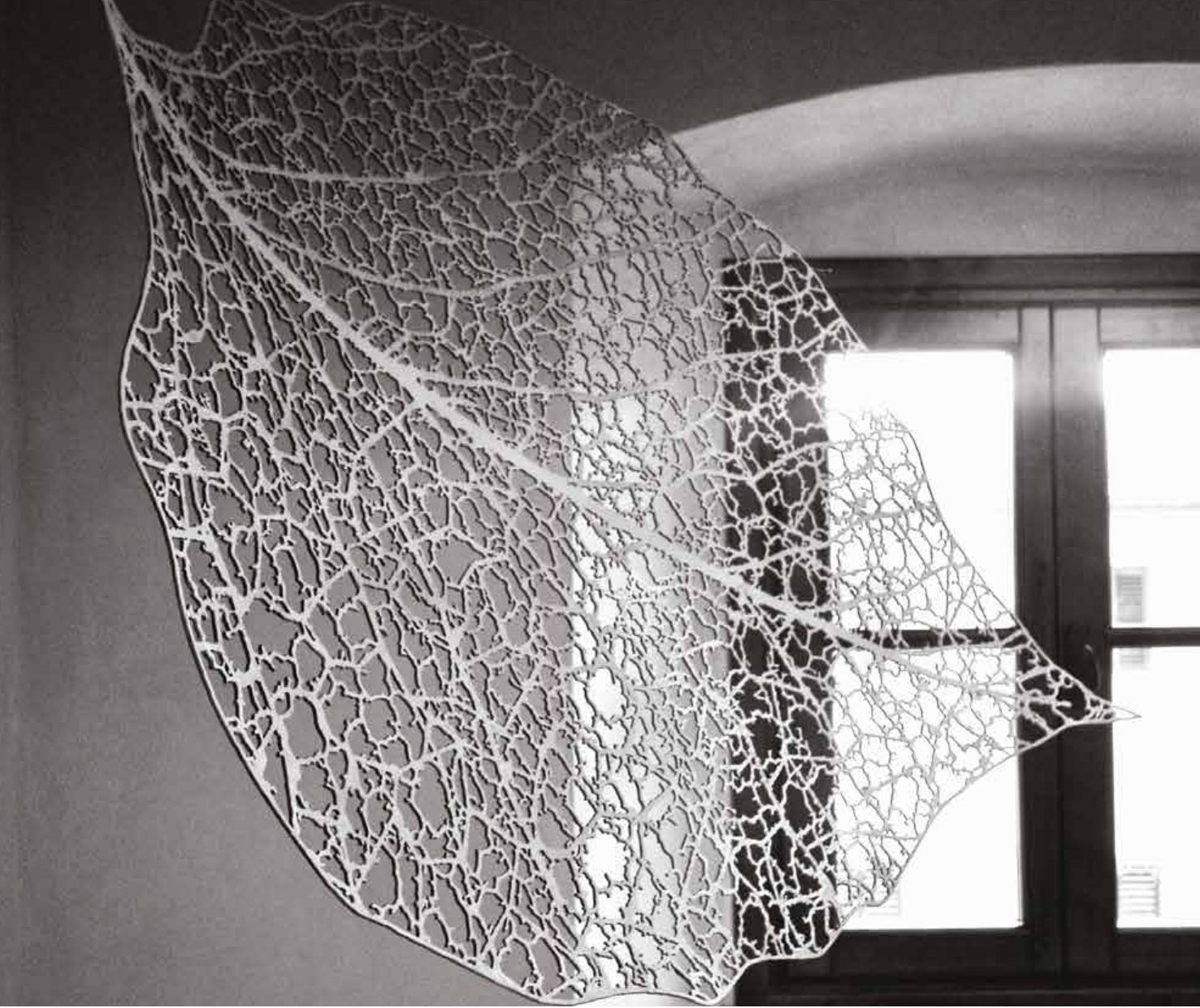
Since childhood, Francesco Bruni has chosen art as his path. Over the years, he began exhibiting his works and collaborating with galleries worldwide. In his creations, Bruni draws comparisons between the human body and nature, exploring parallels such as the functions of the cerebral veins and the lymphatic systems of trees.
His arts include not only paintings, but he expresses himself using design and printing techniques that support creativity.
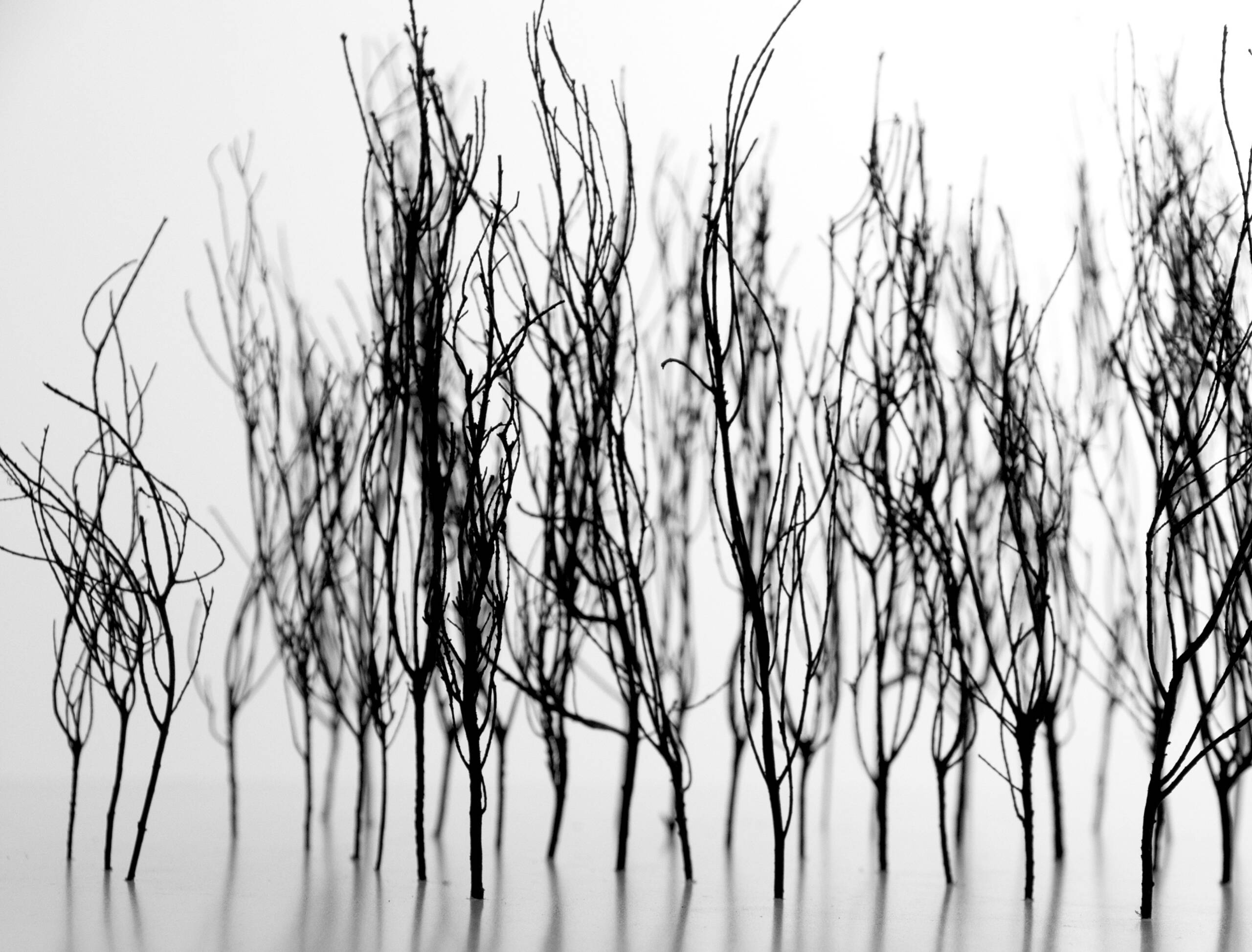
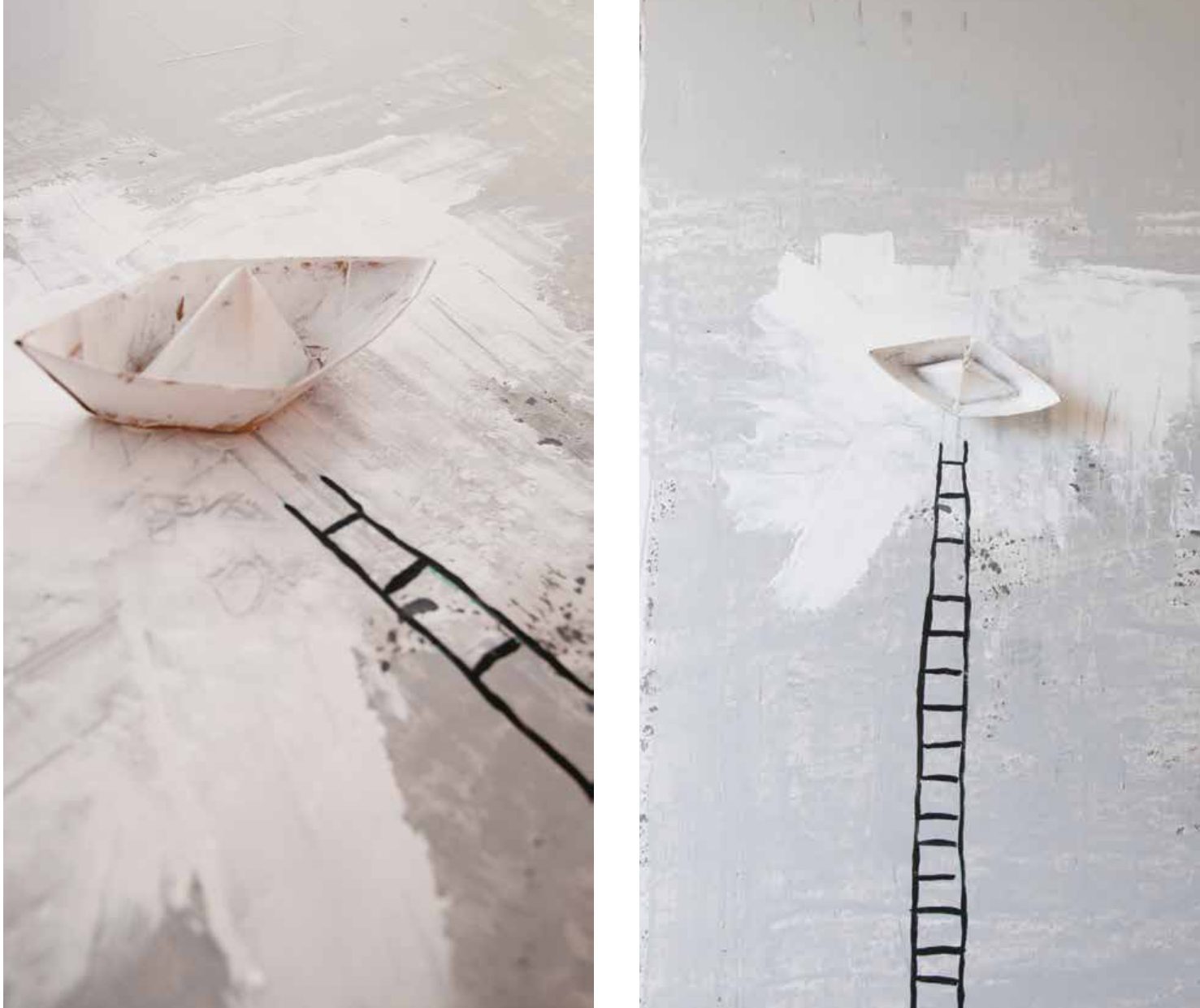
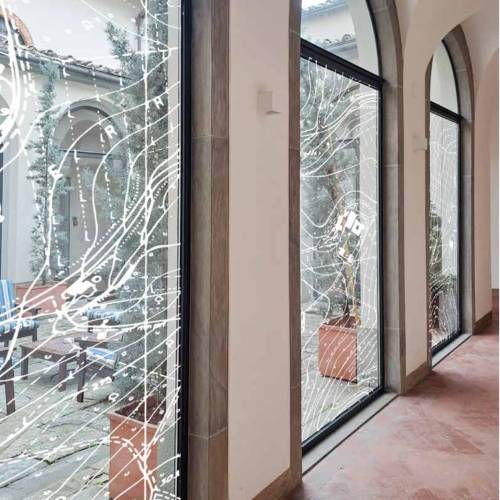
Using digital support, Bruni transforms materials such as plexiglass, glass, cement, mirror, or iron into works and installations dedicated to the mystery of life and its forms, to the creativity of nature, and to humans who translate it into beauty and art. Bruni’s artistic journey—echoing the conceptual research of Arte Povera (particularly Merz, Pistoletto, Kounellis, Penone, Gilardi)—is a voyage into reality, into the laws, codes, and languages that underpin the grand architecture of existence.
Specifically, Bruni’s research begins with the morphology and symbolism of the Tree, taken as an archetypal form representing the evolution of life and knowledge. The structure of the plant, its lines, and its branches appear and repeat themselves both in the microcosm and macrocosm—in the veins of leaves, the networks of tissues and systems in our bodies, as well as in the topographic and hydrographic maps of our planet.
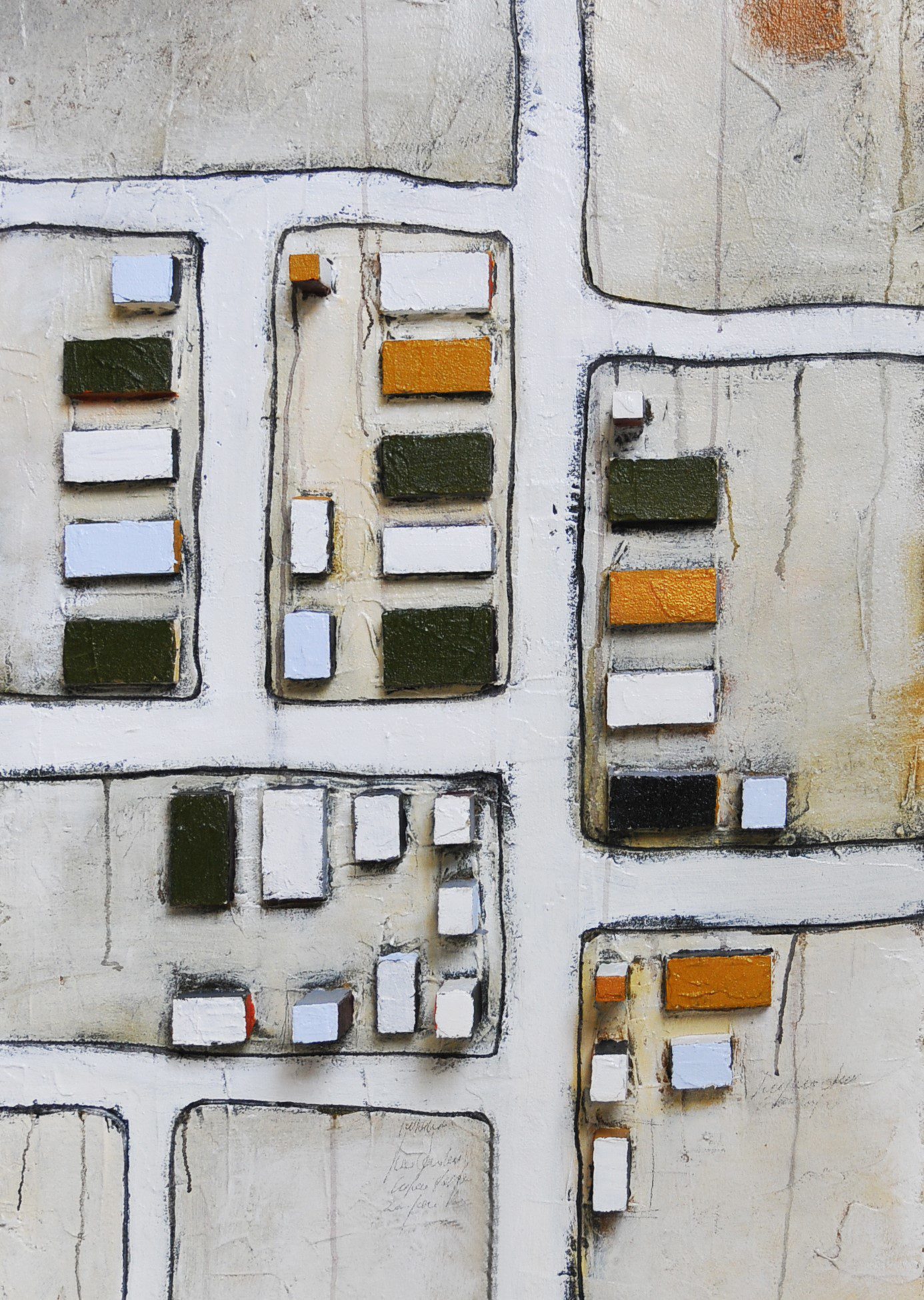
If we ignore the concrete origin of the lines in his paintings, we find ourselves on terrain that seems very much that of abstract art, where aerial shots and microscopic images blend together. Bruni’s art is, in every respect, a matter of resolution and perspective, where reality can easily be transformed into abstraction, into signs that are both plastic and iconic.
Among all artistic forms, abstract art is certainly the one that can best convey the idea of the structure of the infinitely large and small. Through his study of the nature of reality, Francesco Bruni’s art brings us the geometries and energetic-morphological diagrams that, according to an absolute harmonic norm, organize matter and its generative motion.
Some of his Art exhibitions: St’Art -Straburgo, Art Rotterdam, Europ’Art – Ginevra, Lineart – Gent, Artè Nim – Nimes and Art Paris. In Berlin three personal art shows, cared by Gabriele Stroh. In Tuscany he also collaborated with: Pitti Immagine Uomo and Consorzio Gallo Nero. “Senzatitolo”, Palazzo Pretori in San Donato in Poggio (FI); “Riluce”, Fondazione La Rocca di Staggia; Galleria del Palazzo, Enrico Coveri, Firenze.